
THE OTTRED HOT TAKES REPORT
BY 2030
WHO OWNS
THE MOST VALUABLE
RIGHTS IN SPORT?
OTTRED x LinkedIn, OTTRED App, OTTRED WhatsApp, Triple Platform Poll, September 2026
We asked the industry where the most valuable sports media rights will sit by 2030. We polled LinkedIn, the OTTRED app and our WhatsApp community, three audiences, one question. Streaming platforms win on every platform, 57% on LinkedIn, 63% in the OTTRED app, 68% on WhatsApp. But the real story is not who wins. It is the hybrid model emerging around the stream, the immersive frontier VUZ is already building, and the experience architecture that will define who actually profits.
68%
On WhatsApp, streaming platforms is the strongest verdict, the community pushes the winning answer harder than any other audience.
9%
For immersive and XR on LinkedIn, the frontier VUZ is already building, the layer the market will discover next.

VUZ is the number one social immersive video app, headquartered in Saudi Arabia with offices in Los Angeles, the UAE and Amman. Backed by a $12 million pre Series C round led by the International Finance Corporation in May 2025, VUZ is scaling immersive video across emerging markets and the US.
From 360 degree video inside football stadiums and red carpet moments, to VR experiences that put the viewer inside the game, VUZ builds the social, co viewing immersive layer that turns a broadcast into a shared, interactive experience. It is the company already delivering the experience architecture the community describes in this report.
The immersive frontier is not a 2030 prediction. It is a product VUZ is delivering today.
vuz.comFILED BY
OTTRED Editorial
SUPPORTED BY
VUZ
8 min read
The Setup
Three platforms. One question about who owns the game in 2030.
The global sports media rights market is worth over $50 billion a year, and it is in the middle of the biggest redistribution in its history. Streaming services spent $13.2 billion on sports rights in 2025, and Ampere Analysis projects that figure to rise to $14.2 billion in 2026. Amazon alone will spend $3.8 billion. Traditional broadcast is losing subscribers at a rate of 5 million US households a year. Netflix has NFL Christmas games. Apple has MLS. Amazon has the NBA. The question is not whether the money is moving. It is where it lands, and what it buys.
We ran the same poll simultaneously on LinkedIn, inside the OTTRED app, and across our WhatsApp community. Three audiences, three formats, one question: by 2030, the most valuable sports media rights will be for? Traditional broadcast, streaming platforms, immersive and XR platforms, or social and creator platforms. The sample spans the broad professional market, the operators closest to the infrastructure, and the community that lives inside the conversation every day.
The result is a direction, not a split. Streaming platforms win on every platform, 57% on LinkedIn, 63% in the OTTRED app, 68% on WhatsApp. The closer the audience is to the infrastructure, the more convinced it is. But the real story is in the margins. Social and creator platforms climb from 13% on LinkedIn to 18% on WhatsApp. Immersive and XR, the frontier VUZ is already building today, is the layer the market will discover next. And the 22% still voting for traditional broadcast is the beachhead Frank Brown says will be defended longer than the market expects.
68%
On WhatsApp, streaming platforms is the strongest verdict in the poll
57%
LinkedIn's leading answer, the broad market already sees the stream as the winner
63%
The OTTRED app's leading answer, operators push streaming even harder than the market
9%
For immersive and XR on LinkedIn, the frontier VUZ is already building today
18%
For social and creator platforms on WhatsApp, the second screen thesis gaining ground
22%
Still voting for traditional broadcast on LinkedIn, the beachhead being defended
The Results
Platform by platform
Toggle between the three platforms. LinkedIn leads on streaming at 57%, with traditional broadcast holding a surprising 22%. The OTTRED app pushes streaming to 63% and drops traditional to 14%. WhatsApp is the most decisive, with 68% on streaming and just 10% on traditional. Read the three together and the pattern is consistent: the closer the audience is to the infrastructure, the more it bets on the stream and the less it believes in the broadcast beachhead.
On LinkedIn, 57% say streaming platforms, the leading answer and the broad market's clearest signal that the stream has already won the narrative. But 22% still say traditional broadcast, the highest of any platform, because the broad market sees the legacy deals still in force and the billions still being paid. 13% say social and creator platforms, the second screen thesis. Just 9% say immersive and XR, the frontier VUZ is already building today. The broad market sees the direction but is still discovering the immersive layer, and overestimates the broadcast beachhead.
The Gap
Where the audiences split
An 8 point drop on traditional broadcast, from 22% on LinkedIn to 14% in the OTTRED community. A 6 point rise on streaming, from 57% to 63%. Social and creator platforms climbing 2 points from 13% to 15%. The gap is not a disagreement on direction. Both audiences see streaming as the winner. The gap is on the broadcast beachhead, and on the social and creator second screen. The closer the audience is to the infrastructure, the less it believes broadcast can defend, and the more it sees the creator economy as the layer that wraps around the stream.
OTTRED
Read the gap as a shift in what the industry trusts. LinkedIn sees the 2030 rights landscape through the broadcast legacy, 22% of its vote, the highest of any platform, because the deals are still in force and the money is still flowing. The OTTRED community sees it through the infrastructure, 14% on broadcast, the lowest, because operators know the subscriber decline is irreversible and the economics of streaming are already proven. Both land on streaming. The gap is on how long broadcast can hold the line, and the operators say not long.
The Voices
From the community room
The best analysis in this community comes from inside the room. We asked the OTTRED community to go beyond the poll and tell us what they actually see. Five members, five different angles, one shared conclusion: the stream wins, but the model around it changes fundamentally.
Gerry Ornito
OTTRED Community Member
Streaming anchors the primary rights. The model changes around them.
"Streaming platforms will still anchor the most valuable primary sports rights in 2030, but the model will look fundamentally different than it does today. The core economics and operational demands of Tier 1 live sports, billion dollar rights guarantees, sub second latency, high concurrency delivery, global distribution scale and strict piracy management, require the direct subscriber revenue and infrastructure depth that streaming platforms hold. I do not see social and creator platforms competing directly for standalone primary rights due to high acquisition costs and production overhead. Instead, I think we are heading toward a hybrid model: streaming platforms hold the primary live rights, while sub licensing and partnering with creator networks to power the official second screen, co viewing, alternative commentary, and localized engagement. Immersive and XR platforms will play a crucial role here too, acting as feature upgrades within these streaming and creator ecosystems to drive interactivity, rather than replacing traditional rights holders entirely."
Jason Austin
OTTRED Community Member
Streaming becomes the transport. The experience becomes the product.
"I expect by 2030 you will have a new fundamental definition of an Experience Architecture. Streaming simply becomes the transport, not the experience as we consider it today. The scarce assets of 2030 no longer become just the sports rights themselves. The winners will be those that have the ability to execute orchestration and aggregation across multiple experience entry and exit points. The experience around those rights could become much more distributed: creator led commentary, social discovery, alternative feeds, personalised presentation, immersive viewpoints and XR, all sitting around the same underlying event."
Courtney Williams
OTTRED Community Member
2030 is closer than it looks. And women's sport is where the real movement is.
"I agree with the point about the experience and the touch points. My only thought is that despite the speed of change currently, 2030 is not far and many of those rights will be up for bid before those outlets have been secured. Apart from region and market, I think it will also depend on the sport, particularly the difference between mens and womens. I think womens sport rights will see more interesting development over the next few years than mens due to the market dynamics."
Adriaan Bloem
OTTRED Community Member
The strongest defence against piracy is a stream that is better than free.
"Live sports is one of the archetypical areas where streaming can add a lot of audience value over straightforward live streams. This means it can have a better than free advantage, the strongest defense against piracy: people prefer to pay for the stream, because it is better than the pirated ones. Flawless 4K and HDR is the simple one, but many people here will have built, experimented with, or are thinking of various ways of enhancing the streams in a way a TV broadcast or pirated streams never could. Data overlays, analysis, and multi screen. I think F1 is a great example, because their multiview brings a very obvious advantage over what I used to watch on TV. Often the main channel will focus on a specific battle, but there could be a number 1 and 2 just circling around the track endlessly while there is an epic midfield battle going on. I get to choose. So for sports with an engaged enough audience, and it does not have to be millions or billions, there is a market for show jumping in Oliva Nova live as well, the revenue potential is streaming, and I am guessing that is where the big spend will be."
Frank Brown
OTTRED Community Member
It will take a bit longer than 2030. But the see saw is already in motion.
"It will take a bit longer than 2030. Whilst most traditional broadcasters revenues continue in seemingly inexorable decline, they are still often massive legacy businesses with still huge audiences, propped up primarily by tentpole real time live content, sports, news, events. So they will want to defend that remaining beachhead fervently, with exclusive or anchor partner multi year deals. But the see saw is already in full swing motion. It is a matter of when, not if."
In Practice
The Bundesliga is already building the hybrid model
The hybrid model Gerry Ornito describes is not a 2030 theory. It is a 2026 broadcast strategy. For the 2026-27 season, Bundesliga Media is distributing live matches across six platforms in the UK and Ireland: Sky Sports for Saturday top matches, Amazon Prime Video for Sunday matches, BBC iPlayer for Friday nights, Samsung TV Plus for the 24/7 FAST channel, and two YouTube creator channels for watch alongs. Jamie Vardy leads seven Friday night matches on his YouTube channel, and Mark Goldbridge streams fifteen more through That's Football, reaching a community of over 1.5 million subscribers where 54% of live viewers are aged 13 to 34.
This is the hybrid model in production. The Bundesliga holds the primary rights and distributes the live feed across traditional broadcast, streaming and FAST. Then it layers creator led watch alongs on top, giving the audience alternative commentary, personality driven reaction and the social, second screen engagement the poll captures in the social and creator category. Peer Naubert, Chief Commercial Officer of Bundesliga Media, frames it directly: "Football audiences are changing, and there is no single way in which people want to experience the Bundesliga. Our job is to understand each market, work with the right partners and build a distribution model around how fans actually consume football there."
The Bundesliga is not choosing between broadcast, streaming and creators. It is running all of them in parallel, each reaching a different audience segment through the format that audience already trusts. That is the experience architecture Jason Austin describes, and the hybrid model Gerry Ornito predicts, shipping today.
READ THE BUNDESLIGA ANNOUNCEMENT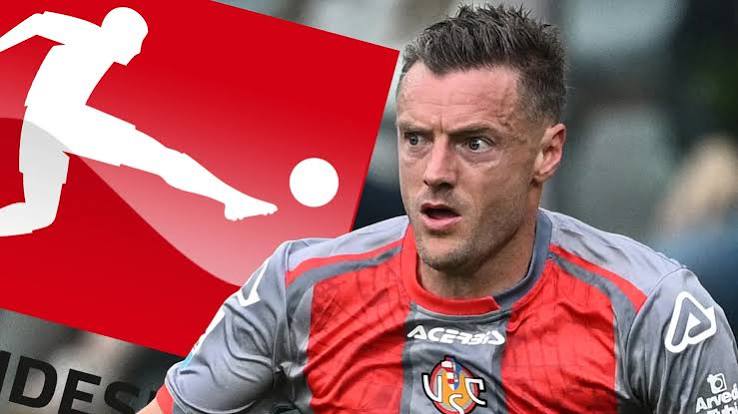
The Data
The money is already moving
The poll says the industry sees streaming as the winner. The market data says the money has already moved. Streaming services will spend $14.2 billion on sports rights in 2026. The NBA signed an $76 billion deal. Paramount bought UFC for $7.7 billion. US pay TV penetration has fallen to 34.4%. These are not predictions of 2030. They are the deals that already define it.
$14.2B
What streaming services will spend on sports rights in 2026, up from $13.2B in 2025, per Ampere Analysis
Streaming services are expected to spend $14.2 billion on sports rights in 2026, a 7% increase on the $13.2 billion they paid in 2025. Amazon Prime Video alone is projected to spend $3.8 billion, accounting for 27% of total streamer spend, making it the top global spender on sports rights. The money is not arriving in 2030. It is already here, and it is accelerating.
$76B
The NBA's 11 year media rights deal, spanning 2025 26 to 2035 36, across ESPN, NBC and Amazon Prime Video
The NBA's new 11 year agreements with ESPN, NBC and Amazon Prime Video are worth a reported $76 billion, more than double the previous deal. Amazon pays $1.8 billion per season alone, giving it year round live sports portfolio in the US including the two most popular domestic leagues, the NFL and NBA. The deal that defines the 2030 landscape was signed in 2024.
34.4%
Of US households still subscribe to traditional pay TV, down from 82% at peak in 2011, per Leichtman Research
U.S. pay TV penetration has fallen from roughly 82% of households in 2011 to just 34.4% in late 2025. Two thirds of US households no longer have cable. Comcast alone lost 1.15 million video subscribers in 2025. The audience that traditional broadcast relies on is shrinking every quarter, and the sports rights that prop up the remaining base are the very assets streamers are buying.
$7.7B
Paramount's 7 year deal for UFC rights, the first major move post Skydance merger, signed August 2025
Paramount bought UFC rights in a $7.7 billion, 7 year deal in August 2025, making Paramount+ one of the top five highest spending streaming services on sports. Netflix has NFL Christmas games. Apple has MLS and MLB Friday Night Baseball. Amazon has NFL Thursday Night Football and the NBA. The streamers are not testing sports. They are buying it outright.
Read the four signals together and the direction is clear. The streamers are not testing sports. They are buying it outright, with multi billion dollar, multi year deals that lock up the rights through and beyond 2030. The broadcast audience is shrinking every quarter. The question is not whether streaming wins. The poll confirms what the deal sheet already proves. The question is what the stream does with the rights once it owns them, and that is where the community's analysis gets interesting.
The Challenge
What the poll gets right, and what it misses
The poll says streaming wins. The data says streaming has already won. But three of our community members see something the poll does not capture, and their analysis challenges the simple narrative. The broadcast beachhead will hold longer than 2030. Women's sport is the real growth story. And the most valuable asset may not be the rights at all, but the experience built around them.
Traditional broadcast is not dead. It is defending.
Frank Brown's read is the one the data supports. Traditional broadcasters' revenues are declining, but they remain massive legacy businesses with huge audiences, propped up by the very tentpole content, sports, news and events, that this poll is about. They will defend that beachhead fervently with exclusive, multi year deals. The see saw is in motion, but the pivot point is not 2030. It is later. The NFL's current broadcast deals run through 2033. The Premier League's domestic rights run through 2029. The rights that will define 2030 are largely already sold, and most of them are still held by the broadcasters the poll says will lose.
Women's sport is the real growth story, and it is not in the poll.
Courtney Williams points to the gap the poll does not capture. The US women's sports market is projected to grow at 16% annually, roughly three times faster than men's, to generate $2.5 billion in annual revenue for rights holders by 2030, per McKinsey. The WNBA's new 11 year deal is worth $200 million a year, more than triple its previous agreement. The NWSL's average annual rights value increased 40x in its latest deal. Women's sport rights will see more interesting development over the next few years than men's, because the market dynamics, low current valuations and high growth rates, make it the most attractive entry point for a platform that wants to build, not buy, a sports audience.
It is not who owns the rights. It is who delivers the better stream.
Adriaan Bloem's argument reframes the question entirely. The most valuable asset in 2030 may not be the rights themselves, but the experience built around them. F1's multiview, the ability to choose your camera, your battle, your angle, is a better than free advantage that no pirated stream or traditional broadcast can match. The platform that delivers data overlays, multi screen, alternative feeds and personalised presentation does not need to own the most expensive rights to win the audience. It needs to deliver the experience the audience will pay for, because it is better than the free alternative. The rights are the entry ticket. The experience is the business.
The Immersive Frontier
The immersive frontier VUZ is already building
Only 9% of LinkedIn, 8% of the OTTRED app and 4% of WhatsApp say immersive and XR platforms will hold the most valuable rights by 2030. But that is the market still discovering the layer that will define the premium experience. Gerry Ornito called it precisely: immersive and XR will not replace the rights holder. They will be the feature upgrade within the streaming and creator ecosystem that drives interactivity. VUZ is already proving that model.
VUZ
The number one social immersive video app
VUZ is the immersive platform that already proves the thesis Gerry Ornito describes. Rather than competing for primary sports rights, VUZ builds the immersive layer around them. Through channel partnerships with LALIGA, the NFL and Super Bowl, F1, the NBA and MDLBEAST, VUZ delivers 360 degree video that puts the viewer inside the stadium, the racetrack and the festival. With 20,000 plus pieces of exclusive immersive content, VR mode on mobile and Apple Vision Pro, and VIP voice chat that lets fans talk directly to celebrities and influencers, VUZ is building the social, co viewing immersive layer the poll captures in the immersive and XR category. Headquartered in Saudi Arabia with offices in Los Angeles, the UAE and Amman, VUZ raised $12 million in a pre Series C round led by the International Finance Corporation in May 2025. It is the company doing today what the poll says the market will value by 2030.
20,000+
Exclusive immersive 360 degree premium content, from LALIGA and the NFL to F1, MDLBEAST and the Oscars
$12M
Pre Series C funding led by the IFC in May 2025, scaling immersive video across emerging markets and the US
8+
Channel partnerships with the world's biggest sports and entertainment brands, from LALIGA to the Super Bowl
Channel Spotlights
VUZ partners with the world's biggest sports and entertainment brands to build immersive channels around their content. These are not highlights reels. They are 360 degree, interactive, social experiences that put the viewer inside the event.
Football
LALIGA
360 degree matchday immersion from Spain's top league
American Football
NFL & Super Bowl
Immersive game day and Super Bowl experiences
Motorsport
F1
360 degree cockpit and trackside racing coverage
Music
MDLBEAST
Front row 360 degree at the Middle East's biggest music festival
Awards
The Oscars
Red carpet 360 degree moments from Hollywood's biggest night
Basketball
NBA
Courtside immersive video from the world's top league
Entertainment
Warner Bros Studio
Behind the scenes 360 degree studio access
Awards
Billboard Music Awards
Stage side 360 degree performances and backstage moments
Immersive Experiences
The technology layer VUZ has built goes beyond 360 degree video. It is a full immersive platform available on mobile, tablet, desktop and Apple Vision Pro, with features that turn a broadcast into a shared, interactive experience.
360 Degree Video
Live and recorded events in full 360 degrees, from football stadiums to red carpets, putting the viewer inside the moment
VR Mode
Enhanced entertainment with VR headsets, shutting out the world and surrounding the viewer with the content
Apple Vision Pro
Native immersive experience on Apple Vision Pro, transporting viewers directly into concerts, events and celebrity moments
VIP Voice Chat
Communicate directly with celebrities, YouTubers and influencers inside the immersive experience
20,000+ Content Library
The biggest library of exclusive immersive 360 degree premium content, from sports to entertainment to behind the scenes
Behind the Scenes
Exclusive access to backstage moments, locker rooms, studio tours and celebrity interviews in 360 degrees
What It Means
The stream owns the game. The experience owns the value.
If 57% of LinkedIn, 63% of the OTTRED community and 68% of WhatsApp all say streaming platforms hold the most valuable rights by 2030, then the work is not predicting the direction. It is building the model around the stream. The rights are the entry ticket. The experience architecture, the creator layer, the social second screen and the immersive frontier, is where the value moves. Build it, and you own the audience. Buy the rights and sell the raw feed, and you own a commodity someone else will wrap a better experience around.
For rights holders
The most valuable rights in 2030 will not be the game itself, but the experience architecture built around it. Rights holders who bundle primary live rights with the second screen, the creator network and the immersive layer, rather than selling them separately, will capture more of the value. The ones who sell the raw feed and let someone else build the experience will sell a commodity.
For streaming platforms
The stream is becoming the transport, not the product. The platforms that win are the ones that execute orchestration and aggregation across multiple experience entry points, creator led commentary, social discovery, alternative feeds, personalised presentation and immersive viewpoints. Amazon's $3.8 billion spend in 2026 is not buying rights. It is buying the infrastructure to own the experience layer around the world's most valuable live content.
For the immersive frontier
Immersive and XR will not replace the rights holder. They will be the feature upgrade that makes the stream better than free. VUZ is already proving this model, building the 360 degree, co viewing, social immersive layer on top of live sports and events. The 9% in the poll is the market still discovering the layer that will define the premium experience. The operators already know it. The market will follow.
The Takeaway
"The market argues about who owns the rights. The operators have already moved to who owns the experience. The question is not whether streaming wins by 2030. The question is what the stream does with the game once it owns it, and the community has already answered."
Combine the three platforms and the picture is a direction, not a split. LinkedIn's 57% verdict on streaming platforms is the broad market's signal, and it is the conservative read. The OTTRED community, at 63%, pushes harder, and WhatsApp, at 68%, is the most decisive. The closer the audience is to the infrastructure, the more it bets on the stream and the less it believes the broadcast beachhead can hold. The 8 point drop on traditional broadcast, from 22% on LinkedIn to 14% in the OTTRED community, is the gap between seeing the legacy deals in force and knowing the subscriber decline is irreversible.
But the community's analysis is more nuanced than the poll. Gerry Ornito sees the hybrid model: streaming holds the primary rights, creators power the second screen, and immersive and XR drive interactivity as a feature upgrade, not a replacement. Jason Austin sees the experience architecture: streaming becomes the transport, and the scarce asset is the orchestration across multiple entry points. Courtney Williams sees the timeline gap: 2030 is closer than it looks, and women's sport, with its 16% annual growth and 40x rights value increase, is where the real movement is. Adriaan Bloem sees the better than free advantage: the platform that delivers the experience no pirated stream can match, the F1 multiview, the data overlays, the multi screen, does not need to own the most expensive rights to win the audience. And Frank Brown sees the defence: traditional broadcast will hold longer than 2030, because the legacy business is still massive and the tentpole is still worth defending, but the see saw is in motion, and it is a matter of when, not if.
VUZ is the company already building the immersive layer the market is still discovering. Rather than competing for primary rights, VUZ builds the 360 degree, co viewing, social immersive experience around them. With $12 million in IFC led funding and headquarters in Saudi Arabia, VUZ is proving Gerry Ornito's thesis today: immersive and XR will not replace the rights holder, but they will be the feature upgrade that makes the stream better than free, and worth paying for.
The fix is not buying the rights. It is building the experience around them. The platforms that execute the orchestration, the creator layer, the social second screen and the immersive frontier, and deliver an experience the audience will pay for because it is better than the free alternative, will own the value. The ones that buy the rights and sell the raw feed will own a commodity. The poll did not predict the future. It confirmed the one the deal sheet already proves, and the community already understands.
OTTRED HOT TAKES, SEPTEMBER 2026
Join the community that voted
OTTRED is the intelligence hub built exclusively for the global streaming, OTT, and media technology industry. Join 2,200+ professionals across 91+ countries.