
OTTRED x LinkedIn, OTTRED App, OTTRED WhatsApp, Triple Platform Poll, August 2026
THE OTTRED HOT TAKES REPORT
THE ORIGINAL
MAY BE FINE.
THE SYSTEM
MIGHT NOT.
Every platform has a version of the story. The original that looked right on paper, had the budget and the team, and still got cancelled after one season. We asked the industry why. The market blames the audience. The operators blame the platform.
32pt
Collapse on "no audience clearly defined" from LinkedIn (80%) to the OTTRED community (48%), the widest divergence in the poll.
42% / 42%
On the OTTRED app, "no audience" and "algorithm never surfaced it" tie. Operators split the blame down the middle.
FILED BY
OTTRED Editorial
METHODOLOGY
Three platform simultaneous poll
6 min read
The Setup
Three platforms. One question about the originals that don't make it.
Every major streaming platform has a version of this story. The original that looked right on paper. Had the budget, the team, the talent, and still got cancelled after one season. We ran the same poll simultaneously on LinkedIn, inside the OTTRED app, and across our WhatsApp community. Three audiences, three formats, one question about the most quietly expensive problem in streaming.
A broad professional audience across media, technology, finance and marketing. High signal for where mainstream commentary sits. Not where operational experience concentrates.
OTTRED App
Streaming, OTT and media tech professionals inside the OTTRED app. The operator view in its purest form, the people closest to the algorithm and the cancellation decision.
OTTRED WhatsApp
The OTTRED WhatsApp community group. A looser, faster conversation that lands between the broad market and the operator core.
The result is a genuine split. LinkedIn blames undefined audiences almost unanimously. Inside the OTTRED app, operators spread the blame across audience definition and the algorithm that never surfaced the show. The people building the platforms see a different failure than the market watching them.
32pt
Collapse on no audience clearly defined, LinkedIn to OTTRED, the widest gap in the poll
42%
OTTRED app tie between no audience and algorithm never surfaced it
38%
Of the OTTRED community backs the algorithm, against 20% on LinkedIn
30 days
The window platforms use to judge a show built to be discovered over months
Sentiment Mapping
From a commissioning error to a distribution error
Mapping the four answers onto a spectrum from creative and commissioning error to distribution and platform error shows where each audience concentrates its diagnosis. LinkedIn lands almost entirely on the commissioning side. The OTTRED community spreads toward the platform side, adding the algorithm and the release model the market cannot see.
Creative error
The creative brief was wrong
Release model
Launched like a cinema film
Commissioning
No audience clearly defined
Distribution error
Algorithm never surfaced it
The Results
Platform by platform
Toggle between the three platforms. LinkedIn lands almost entirely on audience definition. The OTTRED app splits the blame between audience and algorithm. WhatsApp sits between the two.
On LinkedIn, 80% blame an undefined audience. Just 20% point at the algorithm. Nobody blames the creative brief or a cinema style launch. The broad market reads failure as a commissioning problem, a show built for no one in particular.
The Gap
Where the audiences split
A 32 point collapse on audience definition. An 18 point rise on the algorithm. The widest gap in the poll is the one that separates a market that blames the commissioning from an operator community that blames the surfacing.
OTTRED COMMUNITY
Read the gap as a shift in diagnosis. LinkedIn sees failure as a creative and commissioning error, the wrong show for the wrong audience. The OTTRED community sees it as a distribution and measurement error, the right show that the platform never reached its audience, or never gave enough time to find one. Both can be true. The operators are the ones who can fix it.
The Four Causes
Each answer, in depth
What each failure cause represents in the current streaming landscape, and why operators read it differently from the market.
No audience clearly defined
The commissioning thesis, LinkedIn's near-unanimous verdict
80%
48%
OTTRED
80%
Of LinkedIn blames an undefined audience, the broad market's leading diagnosis
1,000+
Original titles Netflix released across 2023, the highest commissioning volume in streaming history
$17B
Netflix peak annual content spend in 2022, the year the write-offs began
The mainstream read, and half right. Volume commissioning without a defined audience produces shows built for no one in particular. But the verdict collapses 32 points inside the OTTRED community, because operators know a defined audience still fails if the platform never puts the show in front of it.
Algorithm never surfaced it
The distribution thesis, the half the market misses
20%
38%
OTTRED
18pt
Rise on the algorithm from LinkedIn to the OTTRED community, the poll's clearest shift in diagnosis
75%+
Of Netflix viewing driven by personalised recommendation, per Netflix's own reporting
91 days
The window in Netflix's own engagement report, longer than the 30-day clock many cancellation decisions run on
The operator half the market misses. A clearly defined audience still fails if the homepage never surfaces the show to it. When roughly three quarters of viewing is routed by recommendation, surfacing is a commissioning decision in everything but name.
The creative brief was wrong
The creative thesis, the one almost nobody buys
0%
10%
OTTRED
0%
Of LinkedIn blames the creative brief, and only 10% of operators do, the most rejected answer in the poll
88%
Rotten Tomatoes critic score for Kaos, cancelled after one season
90%
Rotten Tomatoes critic score for 1899, cancelled after one season
The creative is rarely blamed, and the evidence explains why. The shows getting cancelled are often critically acclaimed. Kaos and 1899 were both well received and both axed after one season. If it is not the creative, it is the system around it.
Launched like a cinema film
The release model thesis, only operators see it
0%
8%
OTTRED
0% / 8%
LinkedIn cannot see a cinema-style launch as a failure cause, a small slice of operators can
28 days
The classic binge-drop measurement window, built for a cinema-style opening burst
Weekly
The release cadence Apple TV+ and HBO use to let an audience build over time
The release model. A permanent-library show marketed like a 30-day cinema event, judged on the burst and then abandoned. Apple TV+ and HBO use weekly cadences to let word of mouth compound, the simplest counter to the binge-drop clock.
The Evidence
The originals that didn't make it
Five recent cancellations that map onto the poll. Each one a different version of the same failure, and each one a show the platform gave up on before, or around, the audience arriving.

Kaos
Charlie Covell's modern Greek mythology drama starring Jeff Goldblum was critically acclaimed and built a passionate following, only for many viewers to discover it after Netflix had already cancelled it. The textbook case of a show that found its audience too late for the platform's clock.
88%
Rotten Tomatoes critic score, cancelled after one season
1899
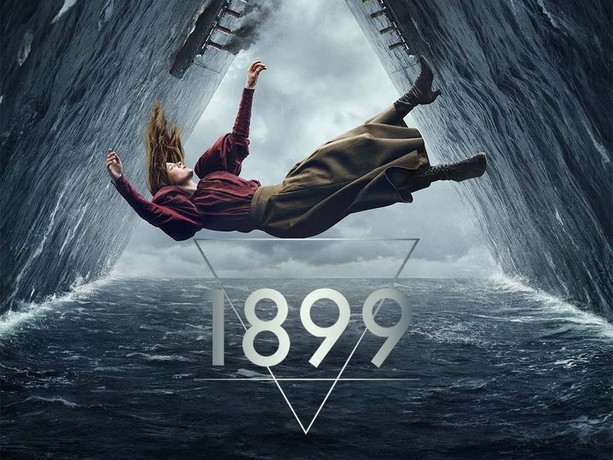
Baran bo Odar and Jantje Friese's mystery series reached number one in 37 countries and drew a reported 32 million household views in its first four weeks. It was cancelled after a single season, a decision the creators said they were not expecting.
#1 in 37
Countries on release, 90% on Rotten Tomatoes, cancelled after one season
Westworld
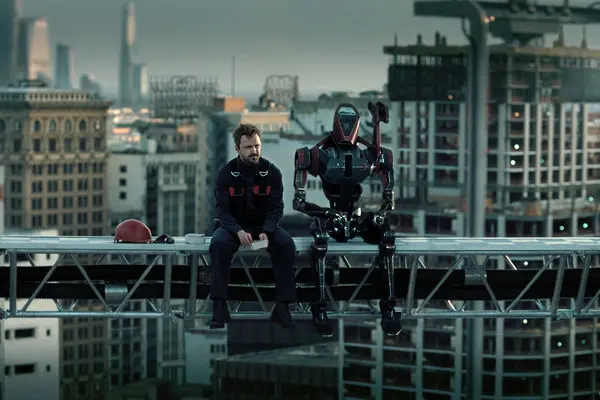
A once flagship HBO drama, cancelled and then removed from Max entirely alongside dozens of other titles. The write off saved on residuals but erased the show from the only place audiences could legally find it, the starkest version of a platform competing with its own library.
Removed
Cancelled after season four and pulled from the platform as a tax write off
Willow
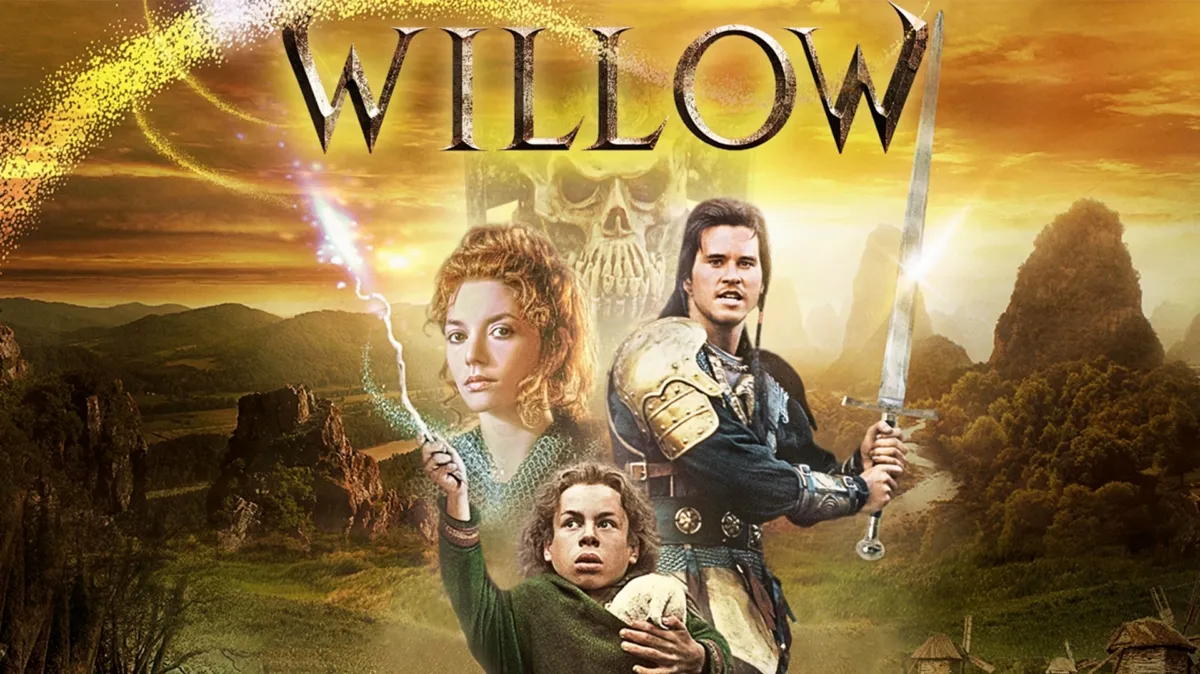
A sequel to a beloved film, cancelled and removed from Disney+ within months. The pattern that emerged across Max, Disney+ and others in 2022 and 2023 turned the streaming library from a permanent catalogue into a revolving, writeable off balance sheet.
Removed
Cancelled after one season and pulled from the platform
The Peripheral
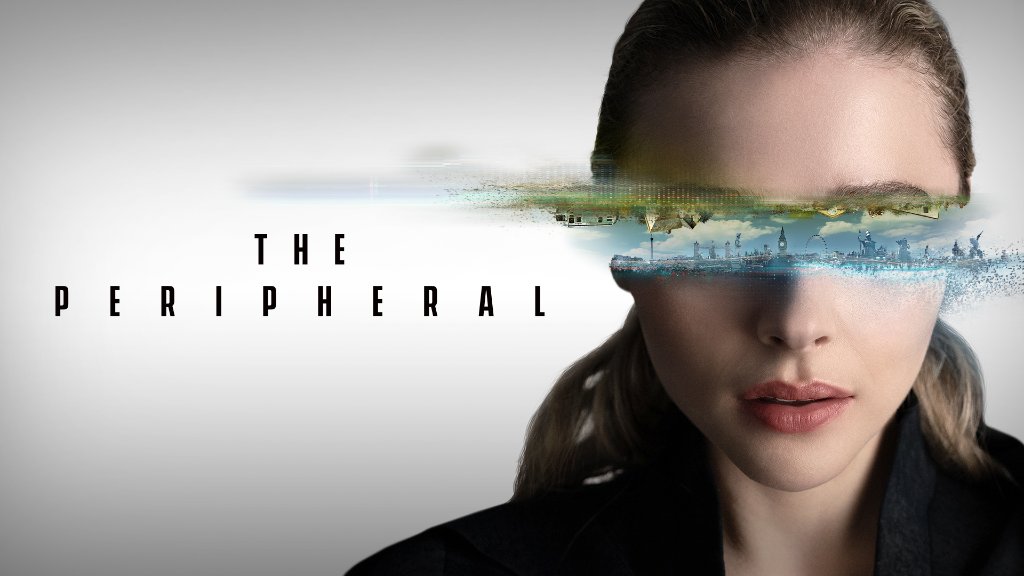
A sci-fi series from the creators of Westworld, renewed then un-renewed as cost discipline tightened. A reminder that a greenlight, even a renewal, is no longer a commitment to let a story find its audience.
1 season
Cancelled after one season despite strong reception and a planned second season
~$1.7B
Netflix content write off reported in Q2 2022, the moment the industry started treating originals as balance sheet items
30+ titles
Removed from Max in 2022 and 2023 for tax write offs, including finished, aired series
~1 in 3
Streaming originals cancelled after a single season across recent analyses
What Industry Is Saying
From the OTTRED community
The data points one way. The commentary from inside the community explains why. Trevor Kincy, a member of the OTTRED community, put his finger on the part the poll options only hint at.
"Poor marketing. Kaos on Netflix was incredibly well received, but no one knew about it until well after they decided to cancel it after one season. The cycles they measure failure in are often too short. Netflix will write something off as a failure like 30 days after release, whilst also seemingly ignoring it's competing with its own library and other major releases on other platforms, and it may take people a few weeks to get around to watching that new show or film. Streaming is so strange to me."
Trevor Kincy
OTTRED Community
Trevor's read maps directly onto the poll. The 38% of the OTTRED community that blames the algorithm is really blaming the surfacing and the clock, the marketing and the measurement window. Kaos is the proof point: a show that was good, that found its audience, and that the platform gave up on before the audience found it. The failure was not in the brief. It was in the 30 days.
The 30 Day Problem
The clock is wrong
The part the poll options only hint at, and the part Trevor Kincy named directly. Streaming platforms measure failure in weeks, while a new original competes with the entire back catalogue, every rival release, and the simple reality that viewers take time to reach a show.
The window
Platforms typically read a show's performance in the first 28 to 30 days. A series built to be discovered over months is judged on a window that ends before most viewers have heard of it.
The competition
Every new original competes with the platform's own library and every major release on every other platform. A viewer can only start one show at a time. The queue is the enemy of the launch.
The write off
When the window closes, the show is written down, and increasingly written off the platform entirely. The audience that would have found it arrives to an empty shelf.
The 30 day window made sense for a cinema release. It makes almost no sense for a permanent library that viewers browse on their own time. The platforms that fix the clock will keep the shows the market is currently throwing away, and the audiences that come with them.
What to Watch
Six signals shaping the next original
The context operators are tracking right now, and what each development means for whether the next wave of streaming originals finds its audience before the clock runs out.
The measurement window debate
Netflix's own engagement report now measures 91 days, yet cancellation decisions are still communicated inside the first 30. The gap between how platforms measure success and how they decide failure is the single most consequential clock in streaming, and it is the one operators are starting to challenge.
Library write-offs as structure
Disney+ and Max removed dozens of finished, aired titles across 2022 and 2023 for tax write-offs, in some cases erasing shows from the only place audiences could legally find them. The streaming library is no longer a permanent catalogue. It is a revolving, writeable-off balance sheet, and the audience that arrives late finds an empty shelf.
AI-assisted discovery
The same algorithms that bury originals can be turned into the bridge. AI-driven personalisation and archive surfacing can put a show in front of the audience it was made for without new marketing spend. The fix for the surfacing problem is already inside the platform, it just is not yet pointed at the originals that need it.
The weekly drop revival
Apple TV+ and HBO have built sustained audience growth on weekly release cadences, and even Netflix has experimented with split drops. Letting an audience build over weeks rather than burst over a weekend is the simplest counter to the 30-day clock, and the one that costs nothing to adopt.
Completion-rate economics
Netflix's efficiency metric, reach multiplied by completion, has reshaped what success means. A show that starts millions but finishes few now reads as a failure even when its audience loved it. The metric decides the renewal before the audience decides to watch, and the shows that suffer most are the slow-burn originals.
Audience-first commissioning
The operator consensus is moving the audience definition upstream, before the greenlight rather than after the cancellation. Define who a show is for, fight for the surfacing that reaches them, and measure on a clock that lets them arrive. The fix is not a better brief. It is a better bridge between commissioning and discovery.
What It Means
The failure is fixable, and it isn't creative
The poll settles the diagnosis and opens the execution. If 80% of the market and 48% of operators agree that audience definition is part of it, and 38% of operators add the algorithm and the surfacing, then the work is not philosophical. It is operational.
For operators
Define the audience before you greenlight, then fight for the surfacing that puts the show in front of it. A clearly defined audience still fails if the algorithm never reaches it. The commissioning decision and the discovery decision are the same decision, made by different teams, and the gap between them is where originals go to die.
For platforms & tech
The algorithm is a commissioning decision. Measurement windows that ignore the long tail are killing shows that would have found their audience. The platforms that fix the clock, and stop forcing every original to compete with the entire back catalogue in its first 30 days, will keep the shows the market is currently throwing away.
For talent & creators
A great brief and a great cut are not enough. Build the audience before the launch, and own the relationship after it. The creators who survive the 30 day window are the ones who arrive with a community already watching, not the ones who wait for the platform to find one for them.
The Takeaway
"The market blames the audience. The operators blame the surfacing and the clock. The original doesn't fail on the page. It fails on the platform."
Combine the three platforms and the picture is a genuine split, and a more credible one for it. LinkedIn's 80% verdict on undefined audiences is the mainstream read, and it is half right. The OTTRED community, at 48% on the same answer and 38% on the algorithm, adds the half the market misses: a clearly defined audience still fails if the platform never surfaces the show to it.
The 32 point gap between the two is not disagreement. It is depth. The people closest to the cancellation decision know that the brief is rarely the problem, the cut is rarely the problem, and the audience is often defined. The failure is in the discovery and the measurement window, the algorithm and the 30 days, the parts the platform controls and the creator cannot.
Trevor Kincy's Kaos example is the whole argument in one show. Well received, poorly surfaced, cancelled before its audience arrived, and discovered by many only after it was gone. Multiply that across 1899, Westworld, Willow and The Peripheral, and the pattern is not a run of bad commissions. It is a system that measures failure faster than it builds audiences.
The fix is not a better brief. It is a better bridge between the commissioning decision and the discovery decision, and a clock that lets a show find the people it was made for. The platforms that build both will keep the originals the market is currently writing off.
OTTRED HOT TAKES, AUGUST 2026
Join the community that voted
OTTRED is the intelligence hub built exclusively for the global streaming, OTT, and media technology industry. Join 2,000+ professionals across 91+ countries.